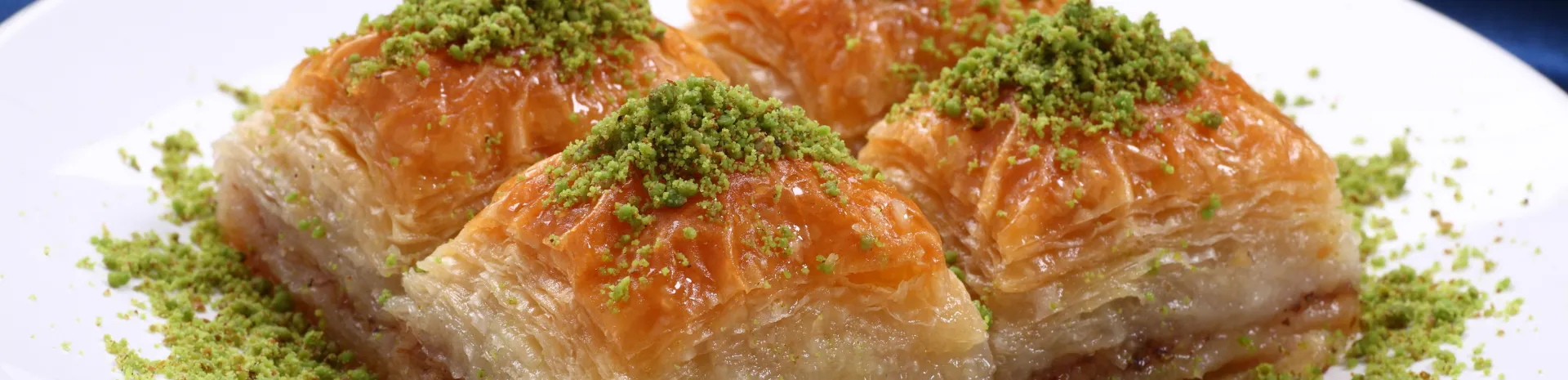
A Taste of Sweet Legacy: Exploring the Delicate Art Behind Baklava and the Culture of Turkish Desserts
If there is one dessert that whispers centuries of heritage through every flaky layer, it is Baklava. More than a sweet pastry, Baklava is a cultural heirloom - an edible tapestry of technique, patience, and celebration. Its golden layers, aromatic butter, crushed nuts, and glistening syrup represent much more than taste; they signify time, tradition, and togetherness.
Turkish desserts, especially baklava, are rooted in ritual - shared after meals, exchanged during holidays, offered to guests, and woven into the milestones of life. From humble home kitchens to palace tables, baklava and other sweets have stood the test of time as symbols of hospitality and artistry.
Let's journey through this sweet legacy.
Baklava: Layers of History
Baklava's origin story reaches deep into ancient culinary traditions. Early versions appeared in Central Asia and the Middle East, but it was in the Ottoman Empire where baklava was refined into the exquisite dessert we know today. Palace chefs elevated technique, developed regional variations, and handed down methods that required both precision and passion.
Historically, baklava was reserved for royalty and important celebrations. Today, it is embraced in every corner of Turkey and served with pride at weddings, holidays like Bayram, and family gatherings - offering sweetness in both flavor and emotion.
The Art Behind Every Layer
Making baklava is often described as a labor of love.
True baklava dough is rolled so thin it's almost transparent - so delicate that it requires expert handling and years of practice. In many regions, the dough is stretched over tabletops that measure meters wide, layer upon layer placed with careful brushstrokes of melted butter.
Inside those layers rests the heart of the dessert:
- Pistachios - bright and aromatic
- Walnuts - earthy and textured
- Hazelnuts - smooth and nutty
Regional pride plays a major role in filling choice. Gaziantep, the pistachio capital of Turkey, produces baklava so celebrated that it has earned protected status. Meanwhile, walnut baklava is favored in central and northern regions for its robust flavor.
Once assembly is complete, the tray is baked slowly until golden, then drenched with syrup infused with lemon, honey, or rosewater. The result? A dessert that is crisp yet tender, rich yet balanced, indulgent yet refined.
Baklava and Conversation: A Social Tradition
In Turkey, sweets are rarely eaten alone. Dessert is an act of hospitality, shared over tea, laughter, and long conversations.
After a meal, baklava is beautifully arranged on trays, accompanied by Turkish tea or strong coffee. Guests are invited to take more than one piece - the gesture reflects generosity and the warmth of the host.
Even in restaurants, dessert service is often intimate. A server may ask which piece you prefer—the corner, the middle, or the diamond slice - each offering different texture experiences.
More Than Baklava: A Journey Through Turkish Desserts
While baklava reigns as the most recognized Turkish sweet, it is far from the only masterpiece.
Lokum (Turkish Delight)
A soft confection dusted in powdered sugar, sometimes filled with pistachios or flavored with rose. Lokum symbolizes hospitality - it is commonly offered to guests, alongside tea or coffee.
Sütlaç (Rice Pudding)
Creamy, comforting, lightly caramelized, and served in clay bowls. Sütlaç embodies the simplicity and soothing spirit of Turkish home cooking.
Künefe
A dessert with crisp shredded pastry and melted cheese, soaked in syrup and crowned with pistachios. It is an indulgent contrast of textures - warm, sweet, gooey, and crunchy.
Helva
Often shared at ceremonies, farewells, and celebrations, helva is more than dessert - its presence carries spiritual meaning.
Turkish desserts are tied deeply to memory, emotion, and identity. Each recipe tells a story of place, people, and purpose.
Desserts as Symbols of Blessing and Celebration
In Turkey, sweets accompany the chapters of life:
- births
- engagements
- weddings
- religious holidays
- housewarmings
- farewells
Sharing dessert symbolizes blessings and shared joy. It is believed that sweetness invites sweetness - good fortune, good relationships, and good experiences.
A Perfect Match: Tea and Dessert Culture
The love affair between Turkish tea and dessert cannot be overstated. Tea enhances sweetness and cleanses the palate, while dessert balances tea's tannins. The pairing is so natural that dessert feels incomplete without tea beside it.
This ritual isn't rushed. It encourages togetherness - lingering at the table, storytelling, and a sense of comfort that turns dining into connection.
Experience the Sweet Legacy at Antalya Restaurant
At Antalya Restaurant, dessert is not an afterthought - it is a celebration.
Our baklava is crafted traditionally:
- hand-struck dough
- premium pistachios
- clarified butter
- balanced syrup
Each slice reflects the care Turkish families and chefs have honoured for centuries.
From delicate baklava to künefe and rice pudding, our desserts offer a taste of the culture, warmth, and heritage of Turkey - right here in Ontario.
Final Bite
Turkish desserts are more than sweets - they are gestures of affection, time-honored crafts, and symbols of shared joy. When you savor a piece of baklava , you experience a legacy layered with flavor, memory, and tradition.
So the next time you enjoy a Turkish dessert, pause and appreciate what lies beneath it: history, craftsmanship, and the sweetness of togetherness.